
Two More Stories from Asia: What Is It Really Like to Run a BAM Business?
What is it really like to run a BAM company, especially in the kind of challenging contexts that business as mission practitioners often find themselves? In this mini-series, we are sharing three short stories from the frontlines—a behind the scenes look at BAM company leadership. Read Part 1 here.
Fitness Industry, Southeast Asia
What do you do and where?
I run a multi location gym business in Southeast Asia serving approximately 15,000 members and employing around 200 staff. The vast majority of our team is local, with only a few foreign employees. Our model centers on membership based fitness supported by personal training, group classes, and leadership development within our staff teams. We operate in multiple cities and focus on building strong local teams who understand the communities they serve. Beyond providing fitness services, we are committed to developing people, both our members and our staff, by creating structured systems, growth pathways, and a culture that promotes excellence, accountability, and long term opportunity.
Why do you do it?
At the core, I see this work as stewardship. In this season of life, that means stewarding relationships, capital, influence, and brand presence in the cities where we operate in a way that honors the Lord. That includes creating environments where people are cared for well, where staff can grow professionally and personally, and where members experience genuine community. Our focus is not merely physical fitness but holistic development. We aim to steward the business to create opportunities for truth to be shared, integrity, and long term flourishing, especially for our team members and their families.
What has it really been like to run your business?
It has been deeply seasonal. There are periods when I cannot imagine doing anything more aligned with how I am wired, leveraging gifts, building teams, and watching people grow. And there are seasons where the challenges feel relentless, where progress is unclear and pressure is high. The hardest parts have often involved leadership strain and navigating growth beyond our support systems. The unexpected joys have come from seeing staff rise into leadership and watching lives genuinely change. Over time, I have learned that clarity, humility, and dependence on the Lord are not optional. They are essential and even the intended main outcome of Joy in growing in knowledge of who the Lord is through these seasons.
Looking back, what are one or two things you wish you knew before you started?
One of the greatest blessings has been having a trusted, like minded business friend outside of my organization. I wish I had understood earlier just how critical that kind of relationship would be. Having someone who can provide accountability, perspective, and encouragement, without being entangled in the day to day operations, has been invaluable. Business leadership can feel isolating, and carrying weight alone is unnecessary and unwise. I have learned that long term sustainability depends as much on spiritual and relational support as it does on strategy and execution.
Hospitality and Food Manufacturing, South Asia
What do you do and where?
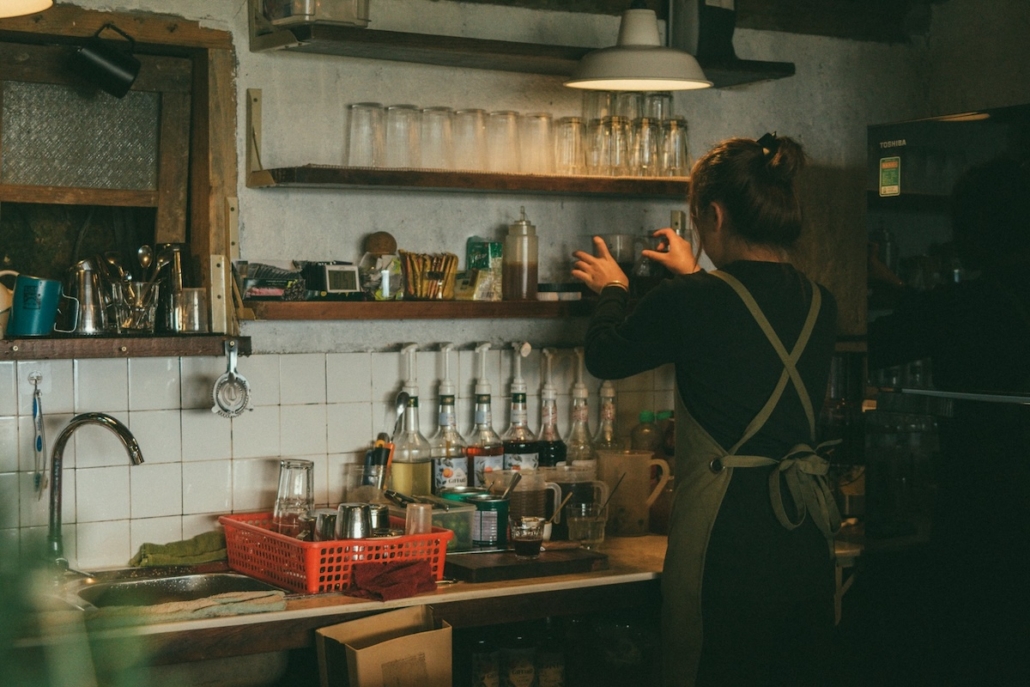
We are based in South Asia in the Himalayas. We run a coffee and bakery business where we focus on the employment of locals. We mentor them and equip them in the gospel. We develop them with job skills and so they can bring positive change to society in their professional sphere.
Why do you do it?
Our vision is to use business to reach places and frontiers in closed nations, where it’s vital for us to be able to live among people, and establish a church planting and discipleship movement. We are seeing the fruits of being embedded in our communities and how powerful business is to bring the gospel to places that haven’t yet heard it. It is encouraging how deeply we connect with locals and authorities due to our role in society! I am passionate about the connections between us, and for the region we are in.
What has it really been like to run your business?
This place in South Asia is hard due to its infrastructure, there is no electricity or water in the mountains and also it is difficult to find people to work for some seasons, winter is closed! So the lack of some key tools to run a business is the main problem, and then we need to adapt what we do. Sometimes going through despairing situations, we have wanted to give up! Many things were not done due to lack of resources in the city and it left us wondering how to move forward. It has caused us to improvise a lot, not knowing what each day would bring, But in all this, it has been a joy to learn and it really was the hard way!
Looking back, what are one or two things you wish you knew before you started?
I would have loved some advice on coffee bean quality, better barista training, and tips to organize our finances better! It has been a wild experience from bottom up, young people dreaming, pioneering and achieving their goals without proper guidance!
An unexpected joy to us is just how much access to remote communities we have due to the business of the coffee shop—we can build strongly on the relationships built there. The connections and friends we made through the business have made our life even easier in actually running it and has helped shape so much of our identity where we are.
>> Read Part 1 here
Photo by Huỳnh Tiến on Unsplash


