
Rethinking Rural Prosperity: Why Farmers Need a New Model
by Ratnakar Vallabhaneni
Introduction
Agriculture still feeds the world—yet millions of farmers remain trapped in poverty. Across Asia, Africa, Latin America, and even parts of developed nations, smallholders grow our food but struggle to sustain themselves.
Despite their critical role, many face fragile livelihoods, low incomes, and limited access to markets and services. This isn’t due to lack of effort or skill—it’s a systemic failure that concentrates wealth away from those who produce it.
To bridge the agricultural wealth gap, we must rethink rural economies through the lens of economic justice and transformation. The traditional model is broken. The solution? Farmer Producer Cooperatives (FPCs)—collective, farmer-owned enterprises that create power, scale, and prosperity.
The Agricultural Wealth Gap
The Problem
Over 500 million smallholders produce 70% of the world’s food, yet many live on less than $2 per day (FAO). They face:
- Low, volatile incomes
- Fragmented landholdings
- Weak bargaining power
- Dependency on middlemen
- Limited access to finance, infrastructure, and information
They grow what we eat—but often can’t afford nutritious food themselves.
Where Does the Wealth Go?
The problem isn’t just low productivity—it’s lost value. Smallholders sell raw produce at thin margins while profits flow to intermediaries.
Examples:
- Ethiopian coffee: Farmers earn 1–3% of retail price; brands capture 80%+.
- West African cocoa: Produces 66% of supply, yet most farmers live below the poverty line.
- Indian/Kenyan mangoes: Sold cheaply by farmers, while processed mango products earn 10x more abroad.
The global food system extracts wealth from those at the base.
Why Traditional Approaches Fall Short
Billions have been spent on subsidies, training, and productivity. While helpful, these efforts often ignore the business side of farming—value addition, branding, marketing, and ownership.
“You cannot farm your way out of poverty by only growing more; you must earn more from what you grow.”
To break the poverty cycle, farmers must move up the value chain.
Collective Enterprise: The Power of Farmer Producer Cooperatives (FPCs)
Why Individual Farmers Can’t Win Alone
Isolated smallholders lack the scale and leverage needed for profitable enterprise. But when farmers come together, they gain power. Imagine if they could:
- Procure inputs collectively → cut costs
- Aggregate harvests → demand better prices
- Process, package, and brand produce → capture more value
- Access loans and insurance as a business → manage risks
- Train each other → build knowledge and resilience
This isn’t a fantasy—it’s already happening, just not at scale.
What Is an FPC?
An FPC is a farmer-owned, legally registered business that helps producers organize, add value, and earn more. It shifts the mindset from “me” to “we”, from fragmented to organized.
Benefits of FPCs:
- Scale up production
- Share infrastructure
- Negotiate better deals
- Brand and market collectively
- Strengthen financial access
Global Examples of FPC Success
- India: Over 10,000 FPCs registered since 2013. Some export branded products, increasing farmer incomes.
- Kenya: Githunguri Dairy Cooperative processes and sells branded milk, owned by member-farmers.
- Philippines: Marketing cooperatives for coconut and banana help bypass exploitative traders.
- USA: Land O’Lakes and Ocean Spray — billion-dollar cooperatives owned by farmers.
- Europe: Dutch and Danish cooperatives dominate dairy and horticulture markets through farmer-led innovation.
Where farmers own the enterprise, rural transformation follows.
From Survival to Prosperity: Rethinking the Rural Economy
| Old Paradigm | New Paradigm |
|---|---|
| Individual survival | Collective wealth creation |
| Input subsidies | Market-driven enterprise |
| Price taker | Price setter |
| Low-value raw goods | High-value branded products |
| Manual labor | Innovation and knowledge |
| Rural stagnation | Rural economic engines |
Why Now?
1. Digital Disruption
Mobile tech, e-commerce, fintech, and traceability tools are reaching farmers, enabling better market access and transparency.
2. Climate Resilience
FPCs can jointly invest in sustainable practices, shared insurance, and climate-smart infrastructure.
3. Youth Engagement
FPCs can attract rural youth by offering ownership, purpose, and innovation in agriculture.
Who Needs to Act?
This transformation requires effort across sectors:
- Farmers → must collaborate and take ownership
- Governments → shift from subsidy-driven to enterprise-driven support
- NGOs & CSR → build institutional capacity, not dependency
- Academia & tech → co-create scalable, accessible tools
- Investors → treat FPCs as viable, investable ventures
Conclusion: Lighting the Fire
The rural economy doesn’t need pity—it needs power. Power to negotiate. Power to innovate. Power to create lasting wealth.
FPCs are not just about producing more—they’re about owning more. They offer a path for smallholders to become business leaders, not just beneficiaries.
Farmers shouldn’t just grow food.
They should grow wealth.
They shouldn’t just produce commodities.
They should own brands.
Call to Action
This is a rural issue. But also a food system issue, a climate issue, and a justice issue.
If you’re a policymaker, entrepreneur, development partner, or young farmer—join us.
Join the Movement
BAM Global is currently conveining a Consultation on BAM Agribusiness.
Help us build a global, diverse, and Spirit-led response to the call of the Great Commission through agribusiness.
👉 Get in touch with the team at ag@bamglobal.org
Coming later this month: Part 2 – “FPCs Demystified: Building Wealth from the Ground Up”
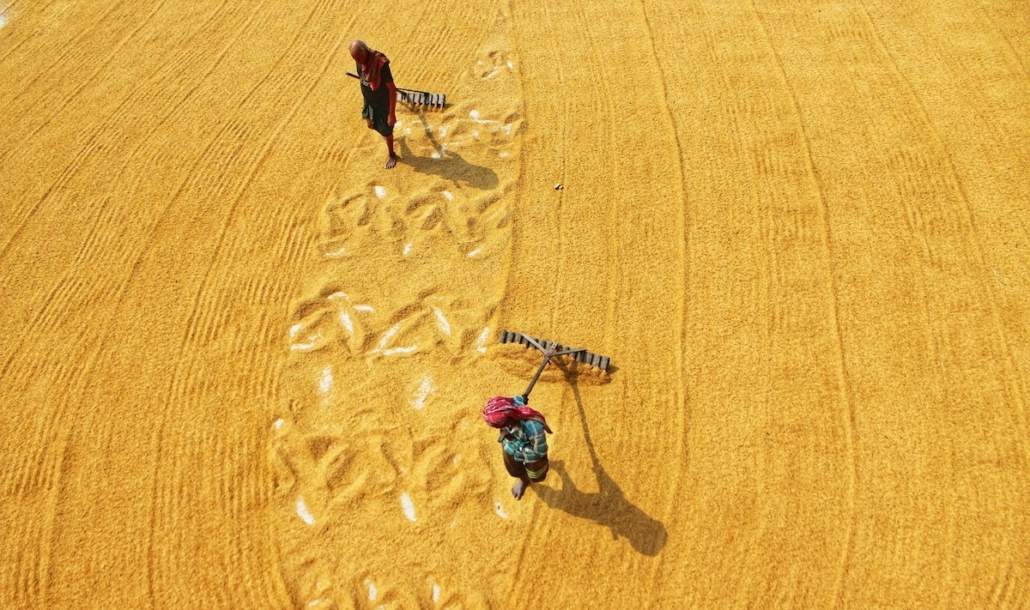
Photo by Dibakar Roy on Unsplash


